
Lower back pain is something most of us in Inverclyde will encounter at some point. In fact, research shows that up to 60% of adults will experience it during their lifetime. Whether it’s a dull ache after a day in the garden or a sharp pain that stops you in your tracks, understanding the root cause is the first step toward sustainable relief.
At our Gourock clinic, we focus on restoring your mobility, so you can get back to moving with confidence.
Common Reasons Your Back Might Be Aching
Our backs are incredibly resilient, but they can be affected by several factors:
- Natural Changes (Degeneration): From our mid-20s, our spinal discs – the “shock absorbers” of the back – gradually lose some of their cushioning. This is a normal part of life, but it can sometimes lead to stiffness.
- Postural Overload: Spending long hours at a desk or in the car can shift how our joints distribute weight. This “overload” often results in chronic stiffness and a loss of mobility.
- Sacro-iliac (SI) Joint Dysfunction: Very common in the clinic, this involves the joints of the pelvis. A slight tilt or twist here can cause inflammation that feels like lower back or buttock pain, sometimes radiating into the groin.
- Slipped or Bulging Discs: When a disc is strained through injury or repetitive wear, it can press on nearby nerves. This often leads to sciatica – pain, tingling, or weakness that travels down the leg to the foot.
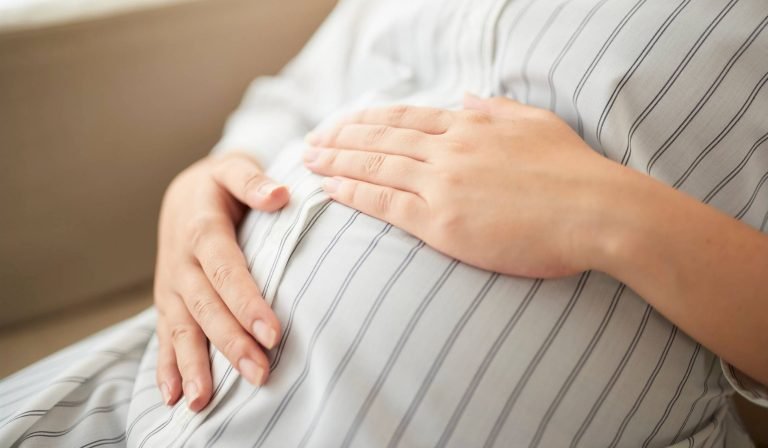
- Pregnancy-Related Changes: Hormonal shifts and a growing bump change your centre of gravity, which can put extra pressure on the lower back and pelvis.
- Fibromyalgia: This condition causes widespread tenderness and fatigue. While we cannot “cure” fibromyalgia, many of our neighbours find that gentle chiropractic care helps reduce overall tension, making the symptoms much more manageable.
Proactive Steps for a Healthier Back
Prevention is always better than cure. To keep your spine supported and functional, consider these daily habits:
- Strengthen Your Foundation: Regular exercise, especially Pilates or core-strengthening routines, provides the internal “bracing” your spine needs.
- Mindful Lifting: Always use your legs, not your back, to lift. Keep the load close to your body and avoid twisting.
- Ergonomic Alignment: If you work at a desk in Greenock or Port Glasgow, ensure your screen is at eye level and your chair supports the natural curve of your back.
- Keep Moving: Incorporating a gentle stretching routine into your day helps maintain flexibility and reduces the risk of muscle strain.
Your Structured Care Plan
Effective management starts with a proper diagnosis. As chiropractors, we don’t just look at where it hurts; we look at the whole picture. Our structured care plan often combines gentle spinal adjustments with soft tissue therapy and tailored lifestyle advice.
Beyond our clinic, you might also find relief through:
- Heat & Cold Therapy: Using heat to relax tight muscles or ice to soothe acute inflammation.
- Acupuncture & Massage: Lovely ways to reduce muscle tension and improve local circulation.
- Yoga: Excellent for improving both strength and mobility.
- Short-term Relief: Over-the-counter options like paracetamol or ibuprofen can help in the short term (always read the leaflet or speak to a pharmacist first).
Ready to Feel Lighter?
You don’t have to “just live” with a bad back. Whether you’re struggling with sciatica or general stiffness, our “safe hands” are here to help you feel empowered and pain-free again.
Have a question? Give us a call on 01475 602 028 or book your consultation today.